The Los Angeles Rams didn’t just draft Ty Simpson—they built a case for him. While most teams chased consensus names in the 2024 draft, the Rams zigged when others zagged, zeroing in on the former Alabama quarterback with a precision that reflects deeper organizational philosophy. Albert Breer, one of the most trusted voices in NFL media, illuminated the behind-the-scenes mechanics of how this move came together. It wasn’t luck. It wasn’t a reach. It was a calculated decision rooted in thorough evaluation, long-term vision, and an understanding of what the modern quarterback position demands beyond college stats.
Breer’s draft takeaways revealed that Simpson wasn’t a late-round flier born out of desperation. He was a name the Rams had on their board for months—tracked, graded, and vetted. What made Breer’s analysis stand out was how he detailed the process, not just the pick. From early intel gathering to medical evaluations and psychological profiling, the Rams’ approach to Simpson exemplifies how elite scouting operations function in today’s NFL.
Let’s unpack how the Rams identified Simpson, why they believed in him, and what Breer’s reporting tells us about their broader quarterback strategy.
The Scouting Timeline: Long-Term Evaluation Over Draft-Day Gambles
Albert Breer emphasized that the Rams didn’t discover Ty Simpson during Senior Bowl week or the NFL Combine. Their interest began much earlier—dating back to his high school tape and early Alabama development years. Breer pointed out that LA’s scouting department maintains what he described as a “prospect ledger,” a continuously updated database of high-upside athletes, even if they aren’t immediate draft-eligible.
This ledger includes metrics like arm talent, athleticism, processing speed, and response to coaching. Simpson scored well in all four.
Breer noted that Simpson’s 2022 spring practices at Alabama—where he reportedly impressed coaches with his ability to absorb complex concepts—were flagged by Rams scouts. While he never became the full-time starter, the Rams didn’t dismiss him for lack of volume. Instead, they looked at efficiency in limited action. In 2023, Simpson completed 68% of his passes with a 6:1 TD-to-INT ratio in mop-up duty. Breer called this “small-sample gold” when layered with practice reports and coaching testimonials.
The lesson? High-variance players can slip through cracks when teams over-index on production. The Rams didn’t. They focused on projection, not résumé.
Why Ty Simpson Fit the Rams’ Quarterback Prototype
Breer highlighted a critical insight: the Rams aren’t looking for a traditional pocket passer. Their offensive identity under coordinator Liam Coen (and previously under Sean McVay) demands mobility, quick processing, and improvisational ability. Since trading Jared Goff, the team has cycled through stopgaps like Matthew Stafford (injured), John Wolford, and Stetson Bennett—with mixed results.
Stafford remains the starter when healthy, but the Rams need insurance. More than that, they need a developmental project who fits the scheme.
Enter Simpson.
At 6’2”, 210 pounds, with a sub-4.6 40-yard dash and strong arm velocity, Simpson mirrors the physical traits of other mobile quarterbacks the Rams have targeted in recent years. Breer compared his profile to that of Jordan Love pre-draft—another quarterback with limited starts but elite athletic and cognitive tools. The Rams saw that same package: high floor as a backup, high ceiling as a potential starter.
One Rams insider told Breer: “He sees the field like a vet, even if he hasn’t played like one yet.”

That ability to process pre-snap alignments and adjust protections—something Alabama emphasizes—was a major selling point. The Rams ranked Simpson above several more decorated draft names in cognitive testing simulations, which Breer says are now a cornerstone of their evaluation process.
Behind the Scenes: The Medical and Psychological Deep Dive
One of the most revealing parts of Breer’s reporting was the extent of the Rams’ off-field vetting. While many teams stop at a 15-minute interview at the Combine, Breer revealed that the Rams conducted three separate psychological evaluations on Simpson, including a full-day cognitive battery at their facility in Thousand Oaks.
They weren’t just checking boxes—they were stress-testing his resilience.
Simpson’s journey wasn’t linear. He sat behind Bryce Young and Jalen Milroe at Alabama, two Heisman-caliber quarterbacks. Some teams questioned his motivation or ability to thrive under pressure. The Rams wanted proof he could handle adversity.
Through structured role-playing and simulated in-game stress scenarios, Simpson demonstrated high emotional regulation and adaptability—traits the Rams prioritize. As Breer noted, “Quarterbacks don’t fail because they can’t throw—they fail because they can’t handle the weight. The Rams make sure theirs can.”
Additionally, the Rams reviewed Simpson’s medical history in detail, particularly his minor shoulder strain in 2022. While cleared by Alabama’s staff, LA brought in an independent biomechanics specialist. The verdict: no structural concerns, clean mechanics, and low injury risk profile. This level of diligence is standard for them now, especially at QB.
The Draft Room Decision: When to Pounce
Breer described the Rams’ draft room as “calm, deliberate, and data-driven.” No histrionics, no last-minute panic trades. When Simpson fell to the fourth round, the Rams didn’t hesitate.
Why? Because they had already set an internal value on him. Breer explained that the Rams use a “hybrid grading model” that blends traditional scouting, advanced analytics, and predictive algorithms. Simpson’s composite score was high enough that they would’ve taken him as early as Round 3—if necessary.
But they got him in Round 4.
At that point, several factors aligned: - The quarterback class was deep but unproven. - Other teams prioritized position scarcity (edge rushers, tackles). - Simpson’s private workout with LA had been “electric,” per Breer.
The Rams didn’t need to trade up. They trusted their board. And when the moment came, they acted with conviction.
This is a hallmark of Breer’s broader draft philosophy: teams that win long-term are those that stick to their process, not react to noise.
How Simpson Fits Into the Rams’ Roster Now
Breer made it clear: Ty Simpson isn’t expected to start in Year 1. But his role is critical. He’s the bridge between Stafford’s veteran presence and the future of the position.
The Rams plan to use him similarly to how the 49ers used Brock Purdy—develop behind a strong offensive line and elite playmakers, learn under a veteran, and be ready when called upon. With Stafford entering the final years of his contract and dealing with ongoing elbow issues, the timeline may accelerate.
Simpson’s immediate value lies in practice. His ability to mimic opposing defenses in scout team work—something he did at Alabama—makes him a coaching asset. Offensive assistants told Breer he picked up verbiage faster than any rookie in recent memory.
Long-term, the Rams hope Simpson can evolve into a dual-threat weapon within McVay’s system—especially as the team shifts toward more RPOs and boot-action concepts. His athleticism allows for designed runs, rollouts, and quick decisions under pressure. Breer noted that Simpson’s “eyes stay level” when scrambling, a sign of advanced quarterback maturity.
Competing for the Future: Who Else Is in the Mix?
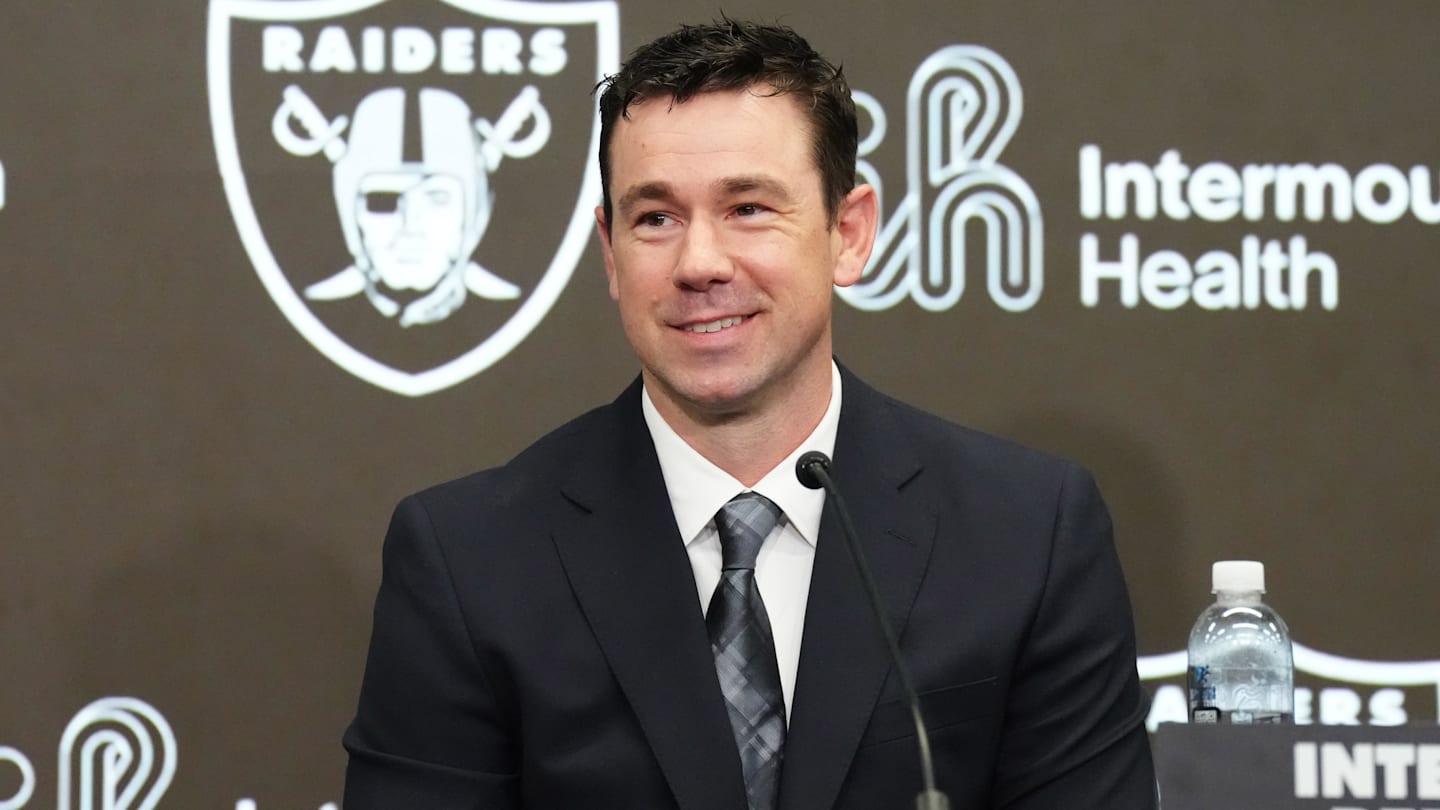
While Simpson is now in the fold, Breer cautioned that the Rams aren’t all-in on one developmental path. The team still has Stetson Bennett on the roster, plus undrafted rookie Jack Miller III. Breer described the Rams’ QB room as “the most competitive developmental group in the NFC West.”
Here’s how Breer assessed the current hierarchy:
| Player | Experience | Strengths | Development Stage |
|---|---|---|---|
| Matthew Stafford | 13 seasons | Arm talent, clutch play | Maintenance phase |
| Stetson Bennett | 1 season | Pocket awareness, toughness | Year 2 refinement |
| Ty Simpson | Rookie | Athleticism, processing, upside | Early development |
| Jack Miller III | Rookie (UDFA) | Accuracy, leadership | Rookie camp standout |
Breer’s takeaway: Simpson has the highest ceiling, but nothing is guaranteed. The Rams want competition, not coronations.
The Bigger Picture: What This Says About LA’s Draft Philosophy
Albert Breer’s overarching message was this: the Rams’ selection of Ty Simpson wasn’t just about one player—it was a statement of organizational identity.
They’re not swinging for home runs. They’re playing a longer game. By investing in high-upside, under-the-radar prospects like Simpson, they’re building depth, minimizing risk, and maintaining flexibility. Breer compared their approach to the Packers under Brian Gutekunst—patient, process-oriented, and unafraid to bet on projection.
The Rams also benefit from having a stable coaching staff and a clear offensive system. That consistency allows them to evaluate prospects through a consistent lens. As Breer put it: “You can’t develop quarterbacks in a revolving door. The Rams have the structure to do it right.”
This pick also signals that they’re not rushing into a post-Stafford era. They’re preparing for it—methodically, intelligently, and with eyes wide open.
Final Take: How the Rams Built a Case for Ty Simpson
The Rams didn’t luck into Ty Simpson. They earned him. From early tracking to private workouts, from cognitive testing to draft-room discipline, every step reflected a high-functioning operation doing its job.
Albert Breer’s NFL draft takeaways remind us that successful teams don’t just react—they anticipate. They don’t chase names—they build dossiers. And when the right player falls into range, they’re ready.
For Rams fans, Simpson represents more than a backup plan. He’s a symbol of process over panic, of patience over pressure. Whether he becomes a starter or a reliable reserve, his presence strengthens the entire quarterback room.
The real win? Not just drafting Ty Simpson—but doing it the right way.
FAQs
Did Ty Simpson start games at Alabama? No, Simpson served as a backup to Bryce Young and Jalen Milroe, appearing in limited mop-up duty.
Why did the Rams draft Simpson so late? Despite his talent, Simpson lacked game experience and faced strong competition, causing some teams to undervalue him. The Rams believed the upside outweighed the risk.
How does Simpson compare to Matthew Stafford? They’re different prototypes. Stafford is a traditional pocket passer with elite arm strength; Simpson offers more mobility and improvisation.
Is Simpson expected to start soon? Not immediately. He’s viewed as a developmental project, but could compete for a starting role if Stafford retires or struggles with injuries.
What did Albert Breer say was the key factor in the Rams’ decision? Breer highlighted Simpson’s advanced processing ability and the Rams’ confidence in their development system as decisive factors.
Did the Rams interview Simpson before the draft? Yes, they conducted multiple interviews, including a private workout and cognitive evaluation at their facility.
Can Simpson win the backup job as a rookie? It’s possible, but he’ll face competition from Stetson Bennett and Jack Miller III. The Rams value competition and will let performance decide.
FAQ
What should you look for in Albert Breer’s NFL Draft Takeaways: How the Rams Landed on Ty Simpson? Focus on relevance, practical value, and how well the solution matches real user intent.
Is Albert Breer’s NFL Draft Takeaways: How the Rams Landed on Ty Simpson suitable for beginners? That depends on the workflow, but a clear step-by-step approach usually makes it easier to start.
How do you compare options around Albert Breer’s NFL Draft Takeaways: How the Rams Landed on Ty Simpson? Compare features, trust signals, limitations, pricing, and ease of implementation.
What mistakes should you avoid? Avoid generic choices, weak validation, and decisions based only on marketing claims.
What is the next best step? Shortlist the most relevant options, validate them quickly, and refine from real-world results.