Mali is unraveling. In the northern desert stronghold of Kidal, a sudden confirmation from Russia’s Africa Corps—widely understood as the formalized successor to the Wagner Group—has sent shockwaves across the Sahel: they are pulling out. The announcement, made through Russian state-aligned media, confirms what regional analysts and local sources had speculated for weeks: Moscow’s paramilitary presence in one of West Africa’s most volatile regions is receding. And it’s happening amid a sharp uptick in armed attacks, ethnic violence, and deepening instability.
This withdrawal isn’t a tactical pause. It’s a strategic retreat in the face of mounting resistance, shifting alliances, and growing scrutiny from both regional powers and Western intelligence networks.
But why now? And what does it mean for Mali’s security, the broader Sahel crisis, and Russia’s expanding footprint in Africa?
The Kidal Flashpoint: Why This Region Matters
Kidal is more than just a remote desert town. It’s a symbolic and strategic epicenter in Mali’s decades-long struggle for control. Located in the far northeast, the region has long been a base for Tuareg separatist movements, including the Coordination of Azawad Movements (CMA). Its vast, arid terrain makes it difficult to govern—and easy to exploit.
Russia’s Africa Corps moved into Kidal following the Malian junta’s ousting of French forces in 2022. French troops had been stationed there for over a decade under Operation Barkhane, conducting counterterrorism missions against jihadist groups like Jama’at Nusrat al-Islam wal-Muslimin (JNIM) and Islamic State in the Greater Sahara (ISGS). When France withdrew, the Malian military—bolstered by Russian paramilitaries—stepped in.
But securing Kidal proved harder than expected.
- The terrain favors guerrillas over conventional forces
- Local populations remain deeply suspicious of both Bamako and foreign troops
- Supply lines are stretched thin and routinely attacked
- Ethnic militias exploit the security vacuum
By early 2024, Kidal had become a flashpoint. Dozens of attacks targeted Malian military convoys and Africa Corps outposts. IEDs, ambushes, and hit-and-run raids became routine. The situation reached a breaking point in June, when a coordinated assault on a joint Malian-Russia base left over 30 soldiers dead—including, according to unconfirmed reports, several Russian operatives.
That attack, more than any political negotiation, likely sealed the decision to withdraw.
Russia’s Strategic Retreat: A Sign of Weakening Influence?
The Africa Corps’ departure from Kidal isn’t just a military redeployment—it’s a signal. Russia’s model in Africa has relied on rapid insertion, high visibility, and coercive deterrence. But in Kidal, that model failed.
Unlike in places like the Central African Republic, where Russia established enduring influence through presidential alliances and media control, Mali’s north has resisted external dominance. The Africa Corps never fully suppressed jihadist activity. Instead, their presence may have intensified it. Local sources and UN reports indicate that jihadist recruitment surged after Russia’s arrival, fueled by allegations of excessive force, civilian casualties, and extrajudicial killings.
Consider this:
- In 2023, ACLED recorded over 450 violent events in Kidal—a 68% increase from the previous year
- Civilian deaths attributed to Russian-linked forces rose by 142% between 2022 and 2023
- Over 100,000 people have been displaced from northern Mali since 2021

The Africa Corps’ withdrawal suggests a recalibration. Rather than overextend, Moscow appears to be consolidating its presence in central Mali—where the threat from ISGS and JNIM remains high, but population centers and infrastructure offer more strategic leverage.
This isn’t retreat due to defeat. It’s retreat due to cost-benefit analysis.
What’s Driving the Surge in Mali Attacks?
The timing of the Africa Corps’ exit is no coincidence. Mali has seen a sharp increase in attacks over the past six months. But the causes are layered—and not solely tied to jihadist resurgence.
1. Power Vacuum in the North
With French forces gone and now Russian forces pulling back, local armed groups are scrambling to fill the void. The CMA, a coalition of Tuareg-led militias, has reasserted control over key towns in the Kidal region. But they’re not the only players.
- Pro-government militias like the Imghad Tuareg and Arab Movement (GATIA) have launched offensives
- ISGS has exploited border corridors to regroup and resupply
- Bandit networks have expanded operations, attacking supply convoys and isolated outposts
The result? A patchwork of armed actors with shifting alliances and overlapping objectives.
2. Jihadist Adaptation Groups like JNIM and ISGS have adapted to the changing battlefield. They no longer rely on large-scale attacks. Instead, they use decentralized cells, mobile units, and asymmetric tactics.
Recent attacks near Gao and Ménaka followed this pattern: small teams using motorcycles to ambush patrols, then disappearing into the desert. These operations are low-cost, high-impact—and difficult to counter without sustained intelligence and air support.
3. Ethnic Tensions Boiling Over The conflict is no longer just about counterterrorism. It’s increasingly about ethnic control and resource access. In central Mali, violence between Fulani herders and Dogon farmers has escalated, often under the cover of counterinsurgency operations.
In Kidal, tensions between Tuareg factions and Arab militias have flared. The Africa Corps’ heavy-handed tactics—documented by Human Rights Watch and the UN—have deepened local resentment. Their departure may reduce immediate friction, but it also removes a key (if controversial) deterrent.
Regional Fallout: What This Means for the Sahel
Mali’s instability doesn’t stop at its borders. The ripple effects are already being felt across the Sahel.
- Niger and Burkina Faso: Both juntas have aligned closely with Mali and welcomed Russian support. But they’re now facing their own surges in violence. The Kidal withdrawal could prompt similar pullbacks—or trigger overcompensation through increased militarization.
- Algeria: As a key regional power and neighbor to Mali, Algeria is closely monitoring the situation. Any spillover of jihadist activity or refugee flows could force Algiers to act—possibly through diplomatic channels or covert operations.
- France and the EU: While French forces have officially left, European intelligence agencies maintain surveillance capabilities in the region. The Africa Corps’ retreat may open space for renewed French influence—if local governments allow it.
- ECOWAS: The regional bloc has been sidelined since the Malian coup. But with instability worsening, ECOWAS may push for mediated talks—especially if civilian casualties continue to rise.
Crucially, the vacuum left by Russia’s pullback won’t remain empty for long. The question isn’t whether someone will move in—but who.
The Future of Russia’s Role in Mali
Make no mistake: Russia isn’t abandoning Mali. It’s reshaping its presence.
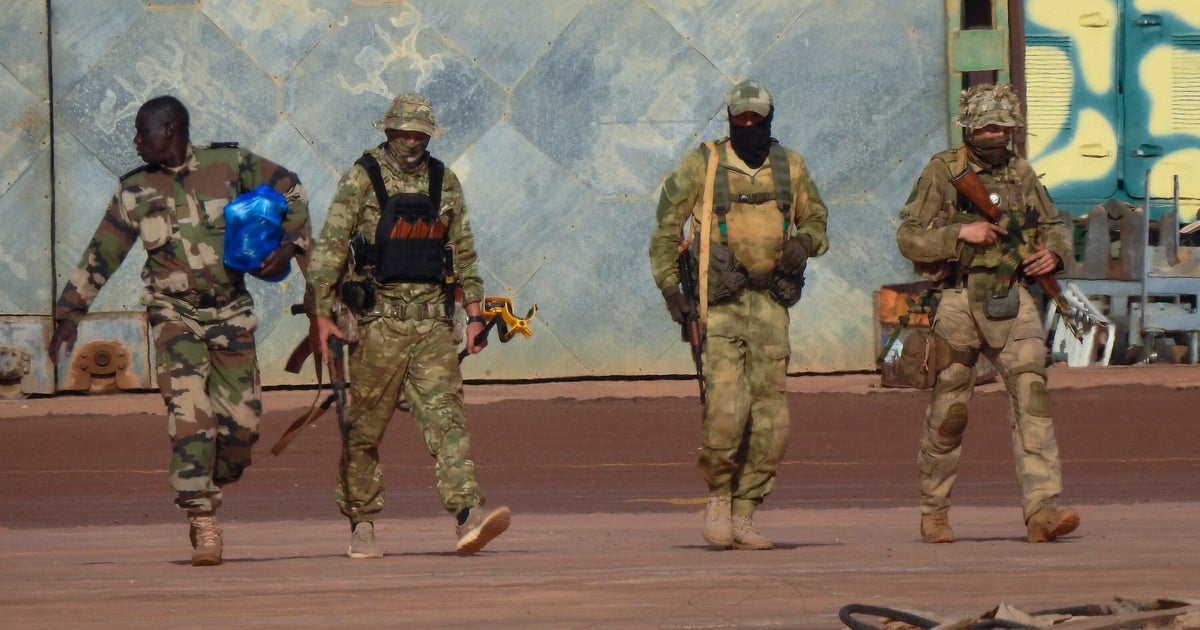
The Africa Corps still maintains bases in Gao, Timbuktu, and central Mali. Russian military advisors continue to train Malian forces. And Moscow remains a key supplier of arms and intelligence.
But the Kidal withdrawal signals a shift: - From direct combat to advisory and intelligence roles - From northern strongholds to more stable, central zones - From high-visibility operations to behind-the-scenes influence
This mirrors Russia’s broader strategy in Africa: establish footholds, create dependency, then reduce exposure while maintaining leverage. In Mali, that leverage comes through arms deals, gold mining contracts, and political support for the junta.
But there are risks. If Mali’s security continues to deteriorate, the junta may lose legitimacy. And if Russia is seen as unable to deliver stability, its credibility across Africa could erode.
What Comes Next for Kidal?
The most urgent question is: who controls Kidal now?
There is no clear answer. The Malian military claims authority, but its presence is limited. The CMA asserts control, but it’s fractured and lacks international recognition. Jihadist cells operate in the periphery, waiting for an opening.
Without a credible security force or political solution, Kidal risks becoming a no-man’s-land—a haven for smuggling, banditry, and extremist recruitment.
A sustainable solution would require: - Inclusive dialogue with Tuareg leaders - Strengthened intelligence-sharing with regional partners - Investment in local governance and economic development - Neutral monitoring to prevent human rights abuses
But none of this is currently on the table.
Closing: A Temporary Reprieve, Not a Resolution
The Africa Corps’ withdrawal from Kidal is not a turning point in Mali’s conflict. It’s a pause—a recalibration in a war that remains unresolved. The attacks will continue. The militias will adapt. The civilians will suffer.
For policymakers, the lesson is clear: foreign paramilitaries cannot impose stability. They can only delay the inevitable need for political solutions.
For those watching the Sahel, the message is urgent: the crisis is deepening. And without credible diplomacy, the cycle of violence will only accelerate.
The world turned away from Mali once. It cannot afford to do so again.
Frequently Asked Questions
Why did Russia’s Africa Corps withdraw from Kidal? Due to escalating attacks, logistical challenges, and growing resistance from local and jihadist groups, Russia opted to consolidate its forces in more strategic areas of Mali.
Are Russian forces completely leaving Mali? No. While withdrawing from Kidal, Russia maintains a significant presence in central and southern Mali, including training, advisory roles, and intelligence operations.
Who controls Kidal now? Control is fragmented. The Malian military claims authority, but Tuareg-led groups like the CMA exert de facto influence. No single entity fully controls the region.
Has the withdrawal reduced violence in northern Mali? Not yet. Attacks have continued, and the security vacuum may have emboldened armed groups to expand operations.
Is the Africa Corps the same as the Wagner Group? Effectively, yes. The Africa Corps is Russia’s formalized paramilitary unit in Africa, staffed largely by former Wagner personnel and operating under state direction.
What are the implications for regional security? The retreat could encourage similar shifts in Niger and Burkina Faso, and may prompt neighboring countries to increase border monitoring or military readiness.
Could France return to Mali? Unlikely in the near term. The Malian junta has consistently rejected French involvement, and regional sentiment remains strongly anti-Western.
FAQ
What should you look for in Russia’s Africa Corps Confirms Withdrawal from Kidal Amid Mali Attacks? Focus on relevance, practical value, and how well the solution matches real user intent.
Is Russia’s Africa Corps Confirms Withdrawal from Kidal Amid Mali Attacks suitable for beginners? That depends on the workflow, but a clear step-by-step approach usually makes it easier to start.
How do you compare options around Russia’s Africa Corps Confirms Withdrawal from Kidal Amid Mali Attacks? Compare features, trust signals, limitations, pricing, and ease of implementation.
What mistakes should you avoid? Avoid generic choices, weak validation, and decisions based only on marketing claims.
What is the next best step? Shortlist the most relevant options, validate them quickly, and refine from real-world results.